
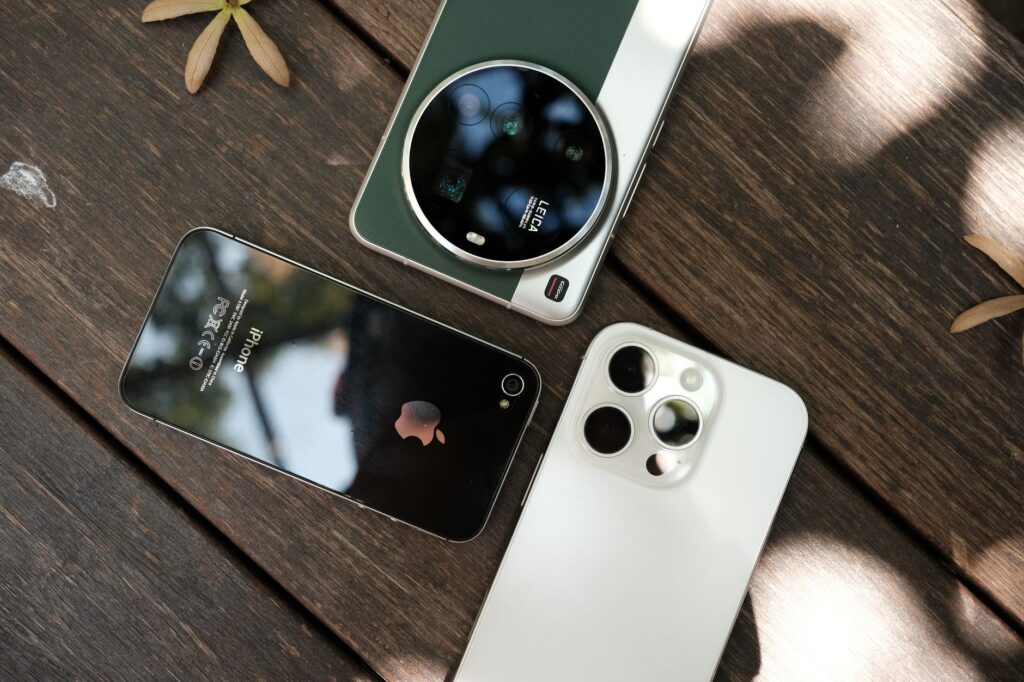
Older iPhones Camera Feature: Worst Exclusion from Apple
Older iPhones camera feature faces exclusion from Apple, leaving many users disappointed.
Older iPhones camera feature is being quietly excluded by Apple, raising concerns among users about the company’s support for legacy devices.
Introduction to Apple’s Camera Feature
Apple has long been at the forefront of smartphone technology, consistently pushing the boundaries of what’s possible with mobile cameras. However, the recent decision to exclude older iPhones from a new camera feature has sparked disappointment among loyal users. This feature, which enhances photography capabilities significantly, is seen as a substantial upgrade that many hoped to access, regardless of their device’s age.
Many users who own models such as the iPhone 11 and iPhone 12 now find themselves on the outside looking in as Apple reserves this innovation for its latest releases. This exclusion not only complicates the user experience but also raises questions about the longevity of older devices in the rapidly evolving tech landscape.
Some key points regarding the exclusion include:
- Innovation Gap: Users of older iPhones may feel left behind as new technology emerges.
- Market Strategy: Apple may be encouraging upgrades by limiting access to popular features.
- User Backlash: Many loyal customers are expressing frustration over the lack of support for older models.
The decision highlights a growing divide in the smartphone market, where newer models increasingly overshadow their predecessors.
Why Older iPhones Are Excluded
The recent announcement from Apple has sparked significant discussion among users of older iPhones. Many are left wondering why older iPhones are excluded from the new camera feature that enhances photography capabilities. This decision seems particularly puzzling given Apple’s reputation for supporting devices for several years after their initial release.
One of the primary reasons cited for this exclusion is the technological limitations of older iPhone models. As software becomes more advanced, it often requires more powerful hardware to function effectively. Consequently, older iPhones may lack the necessary processing power to support these new features.
Moreover, Apple has focused on streamlining its software to work seamlessly with the latest hardware. By limiting the camera feature to newer models, they can ensure a smoother user experience, minimizing potential bugs and performance issues that could arise on older devices.
This decision has not only disappointed many loyal customers but has also raised questions about the long-term commitment of Apple to its user base. As a result, some users feel left out, particularly those who have invested in older iPhones and expected continued support for new and exciting features.
User Reactions to the Exclusion
User reactions to the exclusion of older iPhones from the new camera feature have been overwhelmingly negative. Many users have taken to social media to express their disappointment and frustration with Apple.
- Frustration Over Longevity: A significant number of users feel that their older iPhones should still be capable of supporting the new camera capabilities, considering they have not been obsolete for long. Many argue that Apple should prioritize backward compatibility.
- Brand Loyalty Questioned: Some loyal Apple customers are questioning their allegiance to the brand. Users who have invested in multiple Apple devices over the years are now reconsidering their options, feeling that the exclusion of older iPhones from the camera feature is a blatant move to push users towards upgrading.
- Disappointment with Innovation: Others feel that Apple has always marketed itself as a leader in innovation. The decision to exclude older models from this camera feature has led some to perceive the company as more focused on profit than providing users with a seamless experience.
Overall, the exclusion of older iPhones from the new camera feature has ignited a wave of discontent among users, prompting debates about value and innovation in technology.
Comparing Camera Features Across Models
As Apple continues to innovate with its latest iPhone models, the disparity in camera features across various generations has become increasingly apparent. The exclusion of the camera feature for older iPhones has left many users frustrated, particularly those who have invested in previous models. Here’s a comparison of the camera capabilities across different iPhone models:
- iPhone 14 Pro: Equipped with a state-of-the-art camera system, it offers enhanced low-light performance and advanced computational photography.
- iPhone 13: Features a dual-camera setup with Night mode and improved image stabilization, but lacks some of the latest software optimizations.
- iPhone 12: While it still holds up in terms of quality, the absence of the newest camera feature significantly limits its functionality.
- iPhone 11: Offers decent photography options but is unable to support many of the enhancements introduced in newer versions.
- iPhone SE (2nd generation): Although it has a single camera, it falls short in comparison to the richer features found in recent models.
Ultimately, the decision to exclude older iPhones from the new camera feature highlights the growing divide in Apple’s ecosystem, leaving many users to question their loyalty to the brand.
Future of iPhone Updates
The future of iPhone updates appears uncertain for users of older models, particularly concerning the older iPhones camera feature that has been a point of contention. As Apple continues to innovate and enhance its devices, there is growing concern among loyal customers about the exclusion of older iPhones from significant updates.
Apple’s decision to limit certain camera features to newer models has raised questions about the company’s commitment to its user base. Many feel that while technological advancements are necessary, the exclusion of older models is unjust. Users of older iPhones have expressed their disappointment over missing out on enhancements that could significantly improve their photography experience.
Looking ahead, industry experts suggest that Apple may continue this trend, focusing more on enticing consumers to upgrade rather than maintaining robust support for previous models. This could lead to a divide between users who can afford the latest iPhone and those who rely on their older devices.
As the discussion evolves, customers are left to ponder whether the benefits of upgrading are worth the investment. The implications of this strategy extend beyond just the camera feature; they may redefine how users interact with Apple’s ecosystem in the long run.
Apple’s Support for Older Devices
Apple’s support for older devices has been a topic of contention among users, particularly regarding the exclusion of certain camera features from older iPhones. Many loyal iPhone users have expressed disappointment over the company’s decision to limit new functionalities, especially when it comes to enhancements that could significantly improve photography experiences.
With each new iPhone model, Apple introduces advanced camera capabilities, leaving older devices with outdated technology. This approach has sparked debates about the company’s commitment to supporting its existing user base. While Apple often touts its innovation, the exclusion of older iPhones from the latest camera features raises questions about the longevity and usability of previous models.
Some users argue that these features should be accessible to all iPhone owners, regardless of the model. The sentiment is that it is unfair to compel users to upgrade their devices simply to enjoy enhancements that could be feasible on their existing iPhones. Furthermore, as photography becomes an essential part of daily life for many, the exclusion of older iPhones camera feature highlights a growing divide between the latest technology and user expectations.
Ultimately, Apple must strike a balance between innovation and support for its older devices to maintain customer loyalty.
What This Means for Users
The exclusion of the new camera feature from older iPhones has significant implications for users who still rely on these devices. Many individuals have invested in older models, appreciating their performance and camera capabilities. However, the lack of access to the latest enhancements may lead to frustration among loyal customers.
With the introduction of advanced photography options, users of newer models will enjoy improved image quality, functionality, and innovative features that are simply unavailable to those using older iPhones. This disparity could generate a sense of exclusion, as some users feel left behind in the rapidly evolving smartphone landscape.
Additionally, the decision may impact how users perceive Apple’s commitment to supporting its older devices. As the tech giant continues to roll out new features exclusive to the latest models, some customers may question the longevity of their investments in older technology.
- Loss of access to the latest camera enhancements
- Frustration among loyal Apple customers
- Potential decline in brand loyalty
- Impact on resale value of older iPhones
Ultimately, the exclusion of the camera feature represents a growing divide in the user experience among different iPhone generations.
The decision to exclude the Older iPhones camera feature in newer models has left many users frustrated. This choice highlights a significant disconnect between Apple’s innovation goals and the needs of loyal customers who have come to rely on the Older iPhones camera feature.
Photo by Phong Thanh on Pexels