
Robot Learning Failure: Is Ai2’s ToyBlocks a Smart Solution?
Robot learning failure can be tested with Ai2’s ToyBlocks. Discover how this innovative tool helps understand AI models.
robot learning failure is a significant aspect of AI development. Ai2’s recent release of ToyBlocks aims to explore how robots learn and the challenges they face.
What is Ai2’s ToyBlocks?
Ai2’s ToyBlocks is an innovative platform designed to explore the complexities of robot learning and its potential failures. This interactive environment allows researchers and developers to create and test robotic systems in a controlled setting, focusing on how these machines can learn from their mistakes. The platform consists of a series of colorful blocks that can be manipulated by robots, providing a tangible way to assess their learning capabilities.
One of the primary goals of ToyBlocks is to understand the phenomenon of robot learning failure. By analyzing how robots interact with the blocks, researchers can identify common pitfalls and develop strategies to overcome them. The system is equipped with various challenges that adapt to the robot’s learning progress, ensuring that it remains engaged while pushing the limits of its capabilities.
Moreover, ToyBlocks serves as a valuable tool for educational purposes, allowing students and hobbyists to gain hands-on experience with robotics. As AI technology advances, understanding the nuances of robot learning will become increasingly important, making platforms like ToyBlocks essential for future innovations.
Understanding Robot Learning
Robot learning is a complex and evolving field, often marked by significant challenges and failures. Understanding these challenges is crucial for developing effective solutions. One of the primary issues encountered in robot learning is the inability of robots to adapt to unexpected scenarios. This limitation often leads to what experts describe as robot learning failure, where a robot cannot grasp new concepts or skills beyond its initial programming.
The ToyBlocks platform, developed by Ai2, aims to address these issues by allowing researchers to experiment with different learning algorithms. This innovative tool provides a sandbox environment where robots can learn through play and interaction with various blocks, simulating real-world problem-solving.
In addition to facilitating research, ToyBlocks emphasizes the importance of iterative learning. By encountering and overcoming failures, robots can refine their understanding and improve their performance over time. This approach not only helps in identifying the reasons behind robot learning failures but also offers insights into potential pathways for enhancement.
Ultimately, the success of platforms like ToyBlocks could redefine how we approach robot learning and mitigate the risks associated with robotic failures in practical applications.
The Importance of Testing AI Models
The testing of AI models is a critical step in the development and deployment of robotic systems. Without rigorous evaluation, the potential for robot learning failure increases significantly. Testing not only identifies weaknesses in learning algorithms but also enhances the overall reliability of the system.
There are several reasons why testing AI models is essential:
- Performance Evaluation: It allows developers to assess how well a robot performs in various scenarios, ensuring that it can adapt to unexpected challenges.
- Safety Assurance: Thorough testing helps to mitigate risks associated with robot failures, which can lead to dangerous situations in real-world applications.
- Data Collection: Testing generates valuable data that can be used to refine algorithms, improving the robot’s learning capabilities over time.
- Benchmarking: It provides a standard against which new models can be compared, fostering innovation within the field.
With tools like Ai2’s ToyBlocks, researchers can better understand the nuances of robot learning and pinpoint areas where failures may occur, ultimately leading to more sophisticated and dependable robotic systems.
How ToyBlocks Addresses Learning Failures
ToyBlocks, developed by Ai2, aims to tackle the persistent issue of robot learning failure. It provides a platform for researchers to simulate and evaluate how robots learn from their environments. By using simple yet engaging blocks, ToyBlocks allows robots to interact with physical objects in a controlled setting.
One of the key features of ToyBlocks is its ability to identify specific learning failures. The system tracks the actions of the robot and analyzes the outcomes, enabling researchers to pinpoint areas where the robot struggles. This data-driven approach helps in refining algorithms and improving learning processes.
Additionally, ToyBlocks encourages iterative testing, where robots can continuously learn from their mistakes. This process is crucial for developing robust AI systems that can adapt to real-world scenarios. Researchers can implement various challenges within the ToyBlocks framework, such as:
- Complex object manipulation
- Obstacle navigation
- Dynamic environment interactions
Through these challenges, ToyBlocks not only highlights potential learning failures but also serves as a smart solution for advancing robot learning techniques.
Real-World Applications of ToyBlocks
The innovative framework of ToyBlocks offers a promising avenue for real-world applications, particularly in addressing the challenges associated with robot learning failure. By providing a structured environment for robots to learn and adapt, ToyBlocks enables researchers and developers to evaluate how robots can effectively tackle complex tasks.
Some potential applications include:
- Educational Robotics: ToyBlocks can be used in classrooms to teach students about robotics and programming, helping them understand the intricacies of AI and machine learning.
- Industrial Automation: In manufacturing, ToyBlocks can assist robots in learning assembly line tasks, improving efficiency and minimizing errors caused by learning failures.
- Healthcare Robotics: The framework may also aid in developing robots that assist in patient care, where adaptability and learning from mistakes are crucial for effective performance.
- Autonomous Vehicles: ToyBlocks can test how self-driving cars learn from their environments, ensuring safer navigation and decision-making.
Through these applications, Ai2’s ToyBlocks stands to revolutionize the way robots learn, significantly reducing the risk of robot learning failure in various sectors.
Future of Robotics and AI Learning
The future of robotics and AI learning is increasingly intertwined with innovative solutions like Ai2’s ToyBlocks. As we advance into more complex environments, the necessity for robust learning frameworks becomes essential. With the potential for robot learning failure to impact real-world applications, developing tools that can effectively assess and improve the learning processes of robots is critical.
ToyBlocks offers a unique platform where researchers can observe how robots interact with varied tasks and identify specific points of failure. This ability to simulate and test enables developers to iterate on algorithms and enhance the overall learning experience. The insights gained from ToyBlocks will not only benefit academic research but also pave the way for practical applications in industries such as healthcare, manufacturing, and autonomous vehicles.
Moreover, as AI systems become more integrated into daily life, understanding the limitations and potential pitfalls of robot learning is vital. By addressing these challenges proactively, tools like ToyBlocks could significantly mitigate risks associated with robot learning failure and lead to more reliable and intelligent robotic systems in the future.
Despite its innovative approach, the challenges presented by robot learning failure remain a significant hurdle for AI developers. Understanding the nuances of robot learning failure can help refine solutions like AI2’s ToyBlocks.
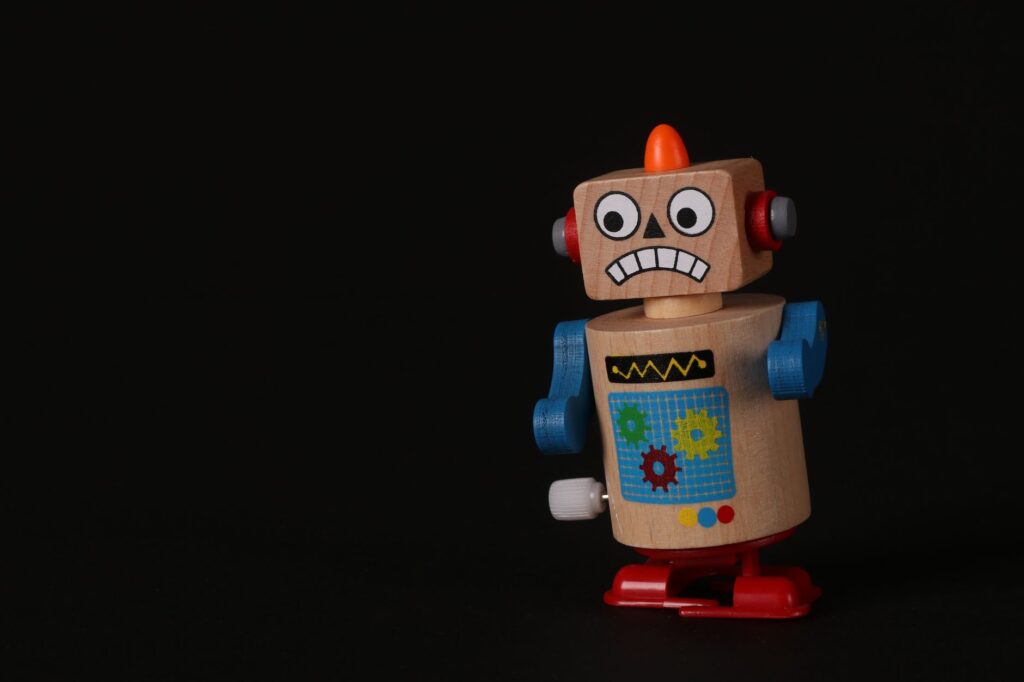
Photo by Ann Hannes on Pexels
Read the original
Gran Turismo update: What’s the Best New Feature in 1.70? · AI model updates: Best Proven Enhancements in 2023 · GPT-6 Cyber: The Best Proven AI for Cybersecurity