
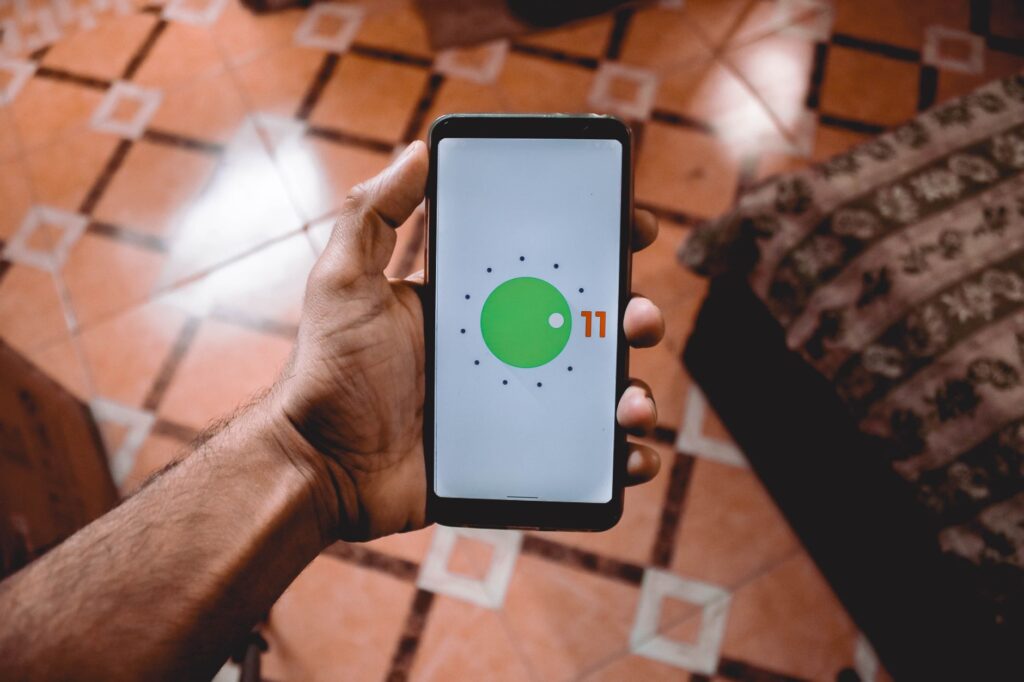
Android update flaws: Are they the worst security risks?
Android update flaws have been fixed in November 2026, enhancing security and user safety.
Android update flaws were addressed in the November 2026 release, fixing critical RCE vulnerabilities that posed significant security risks to users.
Overview of the November 2026 Android Update
The November 2026 Android update has garnered significant attention due to its critical fixes addressing three Remote Code Execution (RCE) vulnerabilities. These flaws, if exploited, could allow attackers to gain unauthorized access to devices, posing serious security risks to users.
Among the vulnerabilities addressed, the most severe was rated with a CVSS score of 9.8, indicating its potential for severe impact. This flaw particularly affected devices running older versions of the Android operating system, leaving millions of users at risk until the update was deployed. The update was also designed to enhance the overall security framework of Android systems.
The response from cybersecurity experts has been mixed, with some praising the swift action taken by Google to address these vulnerabilities. However, concerns have been raised regarding the recurring nature of such flaws in Android updates. Many users are left questioning whether these are isolated incidents or indicative of deeper systemic issues within the operating system’s architecture.
As Android continues to evolve, the question remains whether upcoming updates will adequately address existing security flaws or introduce new vulnerabilities. The ongoing dialogue about Android update flaws highlights the need for users to remain vigilant and proactive in ensuring their devices are equipped with the latest security patches.
What are RCE Flaws?
Remote Code Execution (RCE) flaws are critical vulnerabilities that allow an attacker to execute malicious code on a device remotely. This type of flaw can have severe consequences, particularly in the context of mobile operating systems like Android. With the increasing reliance on smartphones for personal and financial transactions, the significance of addressing RCE flaws cannot be overstated.
In the November 2026 Android update, significant attention was given to fixing three critical RCE flaws that could potentially exploit devices without user interaction. These vulnerabilities could enable attackers to gain control over a device, access sensitive information, or disrupt normal functionality. Here are some key points about RCE flaws:
- Exploitation Techniques: Attackers often exploit RCE flaws through methods such as phishing, malicious apps, or compromised websites.
- Wide Impact: Since Android powers a vast array of devices worldwide, the potential for widespread damage is high if these vulnerabilities are not patched promptly.
- Mitigation Efforts: Regular Android updates are crucial for mitigating the risks associated with RCE flaws, making it imperative for users to stay current with system updates.
As the November update illustrates, the Android update flaws must be addressed swiftly to enhance device security and protect users from potential threats.
Android Update Flaws: What You Need to Know
The recent November 2026 Android update has brought to light several critical security issues, particularly concerning Android update flaws that could expose users to significant risks. With the rise of remote code execution (RCE) vulnerabilities, understanding these flaws is crucial for safeguarding your device.
Here are some key points regarding the Android update flaws:
- Nature of RCE Flaws: RCE vulnerabilities allow attackers to execute arbitrary code on a device, which can lead to unauthorized access and data breaches.
- Impact on Users: Devices affected by these flaws may experience compromised security, leading to potential data theft, loss of privacy, and unauthorized control over device functions.
- Patch Availability: The November update addresses three critical RCE flaws, but users must ensure their devices are updated to benefit from these fixes.
- Importance of Timely Updates: Regularly updating your Android device is essential to mitigate security risks associated with Android update flaws. Delaying updates can leave systems vulnerable to exploitation.
In conclusion, while the November 2026 Android update aims to resolve critical vulnerabilities, users must remain vigilant. Understanding the implications of Android update flaws and promptly applying security patches is vital for maintaining device integrity and user safety.
Impact on User Security
The recent November 2026 Android update has brought to light not only the critical remote code execution (RCE) flaws it aims to fix but also raised concerns about the broader implications of such vulnerabilities on user security. These Android update flaws can significantly jeopardize personal data and device integrity, leading to potential unauthorized access and control over users’ devices.
When RCE flaws are present, attackers can execute malicious code remotely, often without any user interaction, making these vulnerabilities particularly dangerous. Users may remain unaware of the threats lurking in their devices, as many updates are installed automatically or in the background. This lack of visibility can lead to a false sense of security, allowing malicious actors to exploit these flaws without immediate detection.
Furthermore, the impact extends beyond individual users. As more devices become interconnected through the Internet of Things (IoT), the risks multiply. A compromised Android device can serve as a gateway for larger network attacks, affecting not just personal data but also enterprise systems. In this evolving landscape, it is crucial for users to stay informed about the latest updates and understand the importance of timely installations.
- Regularly check for updates to ensure that your device is protected against known vulnerabilities.
- Enable security features such as two-factor authentication to add an extra layer of defense.
- Educate yourself about potential threats and best practices for maintaining device security.
How to Protect Your Device
To safeguard your device against potential Android update flaws, it is essential to adopt a proactive approach. Here are some effective strategies to enhance your device’s security:
- Keep Your Device Updated: Regularly check for software updates and install them promptly. Manufacturers release patches to address known vulnerabilities, including those related to Android update flaws.
- Enable Automatic Updates: Activating automatic updates ensures that you receive the latest security patches without delay. This feature helps mitigate risks associated with unpatched vulnerabilities.
- Use Trusted Sources: Download applications only from reputable sources, such as the Google Play Store. Avoid sideloading apps from unknown websites, which may introduce malware or security threats.
- Install Security Software: Consider using reputable security applications that provide real-time protection against malware and other threats. Such software can enhance your device’s defenses against emerging vulnerabilities.
- Be Cautious with Permissions: Review and manage app permissions regularly. Limit access to sensitive information only to applications that require it for functionality.
- Practice Safe Browsing: Avoid clicking on suspicious links or ads that may lead to phishing sites. Secure browsing habits can significantly reduce the risk of exploitation.
By implementing these measures, you can better shield your device from the potential dangers posed by Android update flaws and enhance your overall digital security.
Future of Android Security Updates
The future of Android security updates remains a critical concern for both users and developers alike. As technology continues to evolve, the need for robust security measures becomes increasingly important. Android update flaws have shown that vulnerabilities can expose devices to significant risks, making timely updates essential.
Recent discussions around security protocols emphasize the importance of regular updates to mitigate these risks. With major updates rolling out periodically, manufacturers must prioritize addressing vulnerabilities, especially those related to remote code execution (RCE) flaws. These types of weaknesses can allow attackers to gain unauthorized access to devices, leading to data breaches and other security incidents.
To enhance user security, developers are urged to adopt proactive measures, including:
- Timely Rollouts: Ensuring that updates are delivered promptly to all users can help close security gaps before they are exploited.
- User Education: Informing users about the importance of installing updates will encourage better security practices.
- Vulnerability Disclosure Programs: Collaborating with security researchers can help identify and fix flaws before they become widespread issues.
As we move forward, the focus on Android update flaws will likely shape the future of mobile security. By prioritizing swift updates and community engagement, Android can enhance its defenses against the ever-evolving landscape of cybersecurity threats.
Photo by Zain Ali on Pexels