
Teachers Using AI: The Clear Impact on Education Today
Teachers Using AI is becoming common, yet many lack training. Discover the implications of this shift in education.
Teachers Using AI is a growing trend, with 60% of educators now incorporating artificial intelligence into their classrooms. However, most of these teachers report having received no formal training.
The Rise of AI in Education
The landscape of education is rapidly evolving, with a significant rise in the use of artificial intelligence (AI) among educators. A recent report from K12 Academics reveals that 60% of teachers now utilize AI tools in their classrooms, reflecting a growing trend towards integrating technology into teaching practices.
Despite the increasing adoption of AI, the report highlights a concerning gap: most teachers received no formal training to effectively incorporate these tools into their curriculum. This lack of preparation raises questions about the efficacy and impact of AI in education.
Teachers using AI are exploring various applications, including:
- Personalized learning experiences for students
- Administrative tasks such as grading and attendance tracking
- Interactive tutoring systems that provide additional support
As educators embrace AI technologies, the potential benefits are significant. However, the absence of training could hinder the full realization of these advantages. Moving forward, it is essential for educational institutions to prioritize professional development in AI, ensuring that teachers are equipped with the skills necessary to harness the power of this technology effectively.
Challenges Faced by Teachers
Despite the growing adoption of artificial intelligence in classrooms, teachers face a myriad of challenges. A recent report highlights that while 60% of teachers now use AI tools, most have received little to no training to effectively integrate these technologies into their teaching practices.
Some of the key challenges faced by teachers include:
- Lack of Training: Many educators feel unprepared to utilize AI effectively, leading to uncertainty in implementation.
- Resource Limitations: Schools often lack the necessary resources to support AI integration, including access to tools and training programs.
- Resistance to Change: Some teachers are hesitant to adopt new technologies, fearing they may disrupt traditional teaching methods.
- Ethical Concerns: Teachers worry about the implications of relying on AI, particularly regarding data privacy and the potential for bias in AI algorithms.
As teachers using AI navigate these obstacles, it is essential for educational institutions to provide adequate support and training. Addressing these challenges will be crucial for maximizing the benefits of AI in education and enhancing the learning experience for students.
Benefits of AI for Learning
The integration of AI in education presents numerous benefits that are transforming the learning environment. Teachers using AI tools can personalize learning experiences, catering to the unique needs of each student. This tailored approach helps educators identify areas where students may struggle, allowing for timely interventions.
Moreover, AI can automate administrative tasks, freeing up valuable time for teachers. By streamlining grading and feedback processes, educators can focus more on instructional activities and less on paperwork. This efficiency enhances the overall teaching experience, leading to more engaging lessons.
AI also offers students access to a wealth of resources and learning materials. Through intelligent tutoring systems, learners can receive immediate feedback and support, fostering a more active learning process. This technology encourages self-directed study and promotes critical thinking skills.
Furthermore, the data analytics capabilities of AI allow teachers to track student progress and performance metrics effectively. With insights derived from this data, educators can adapt their strategies to improve outcomes. Overall, the benefits of AI for learning are significant, positioning it as a valuable ally for teachers using AI in their classrooms.
Training Gaps in Teacher Preparedness
Despite the growing prevalence of artificial intelligence tools in classrooms, a significant training gap exists in teacher preparedness. According to a recent K12 Academics report, 60% of teachers now use AI in their teaching practices, yet a majority have reported receiving little to no formal training on how to effectively integrate these technologies into their curriculum.
This lack of training has raised concerns among educators about their ability to maximize the potential of AI. Many teachers feel overwhelmed by the rapid pace of technological change and often resort to trial and error when experimenting with new tools. As a result, the effectiveness of AI in enhancing learning experiences may not be fully realized.
Key issues contributing to this training gap include:
- Insufficient Professional Development: Many schools fail to provide adequate resources or training sessions focused on AI.
- Time Constraints: Teachers often juggle numerous responsibilities, leaving little time to explore new technologies.
- Lack of Support: Teachers may not receive sufficient support from administration to adopt AI tools confidently.
Addressing these training gaps is essential for teachers using AI to enhance education effectively.
Future of AI in K12 Education
The future of AI in K12 education is poised for significant transformation as more teachers begin to embrace this innovative technology. With a reported 60% of teachers now using AI, the landscape of education is changing rapidly. However, many educators are navigating this shift with minimal training, which raises important questions about the effective integration of AI tools in the classroom.
As teachers using AI become more prevalent, there are several potential developments to consider:
- Personalized Learning: AI can tailor educational experiences to meet the unique needs of each student, promoting engagement and improving outcomes.
- Data-Driven Insights: Educators can harness AI to analyze student performance data, allowing for more informed instructional decisions.
- Administrative Efficiency: AI can streamline administrative tasks, giving teachers more time to focus on teaching and less on paperwork.
- Professional Development: As AI continues to evolve, there will be an increasing need for targeted training programs to equip teachers with the skills necessary to utilize these technologies effectively.
Ultimately, the future of AI in K12 education holds promise, but it requires a commitment to ongoing support and development for educators to maximize its impact.
Key Findings from the K12 Academics Report
A recent report from K12 Academics reveals several key findings regarding the adoption of AI among teachers. The data indicates that 60% of teachers are now using AI tools in their classrooms, highlighting a significant shift in educational practices. However, a concerning aspect of this trend is that most educators reported receiving no formal training in how to utilize these technologies effectively.
Among the findings, several critical points stand out:
- Increased Engagement: Teachers using AI noted improved student engagement, with many students showing greater interest in the subject matter.
- Efficiency Gains: Educators reported that AI tools helped streamline administrative tasks, allowing more time for direct instruction.
- Lack of Training: Despite the clear benefits, 70% of teachers expressed a need for professional development focused on integrating AI into their teaching strategies.
- Student Performance: Initial assessments suggest that students learning with the aid of AI show higher performance levels, particularly in personalized learning environments.
These findings underscore the transformative potential of AI in education, while also highlighting the urgent need for targeted training programs to support teachers in this evolving landscape.
Teachers using AI are finding innovative ways to enhance student engagement and personalize learning experiences. As a result, the role of educators is evolving, with teachers using AI to streamline administrative tasks and focus more on teaching.
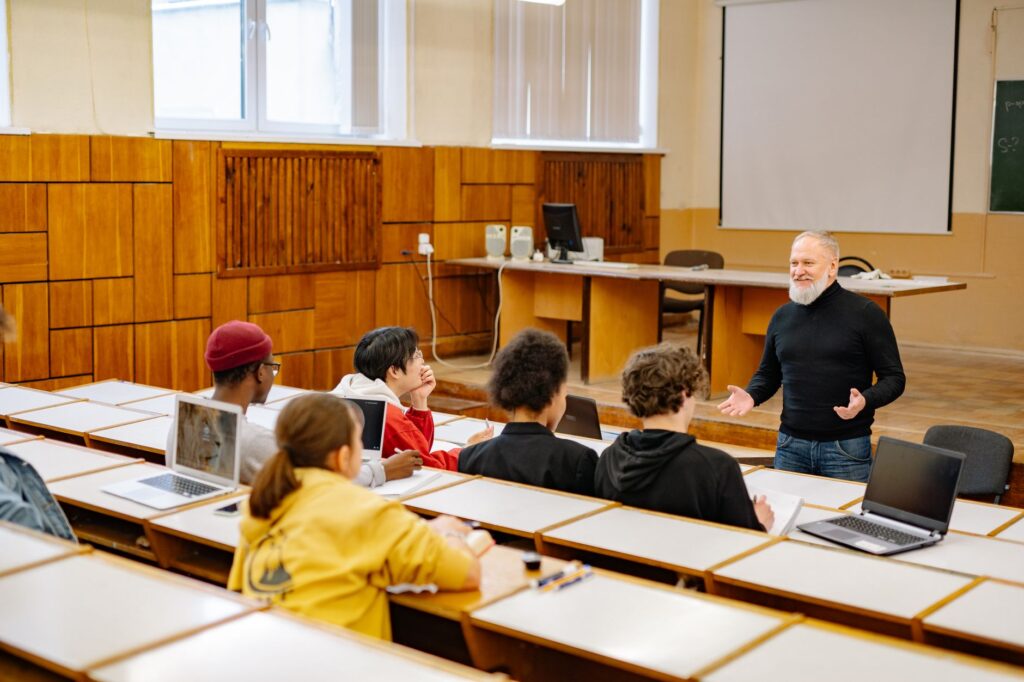
Photo by Yan Krukau on Pexels