
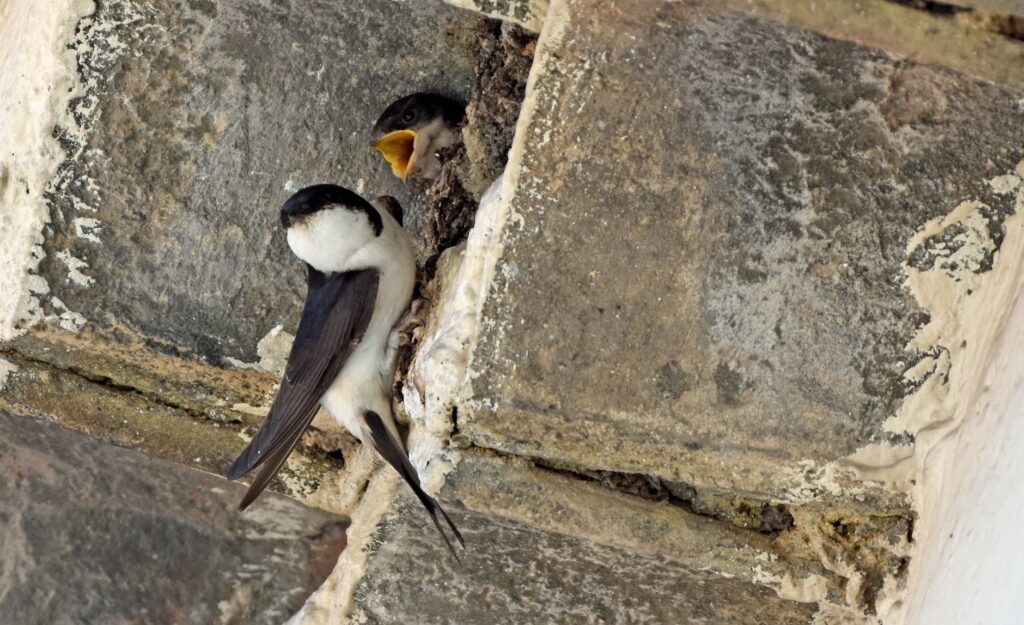
Lost baby swift: The remarkable rescue story revealed
Lost baby swift stories can inspire hope and compassion. Discover the remarkable rescue journey of a tiny bird in need.
lost baby swift stories often capture our hearts, and this one is no exception. A remarkable rescue unfolded when a couple found a tiny swift in need of help.
Understanding the Swift’s Journey
The story of the lost baby swift begins on a sunny afternoon when a kind-hearted individual discovered the tiny bird struggling on the ground. Swifts, known for their incredible aerial abilities, often face challenges during their fledgling stage.
Upon realizing the baby swift was in distress, the rescuer gently picked it up and brought it home. The swift’s journey took an unexpected turn when the rescuer decided to care for it in their bedroom, providing a safe haven away from potential predators.
During its time indoors, the baby swift was nurtured with a special diet, which included insects and other suitable foods. The individual documented the swift’s progress, sharing updates with friends and family who were captivated by the rescue story.
As days passed, the swift grew stronger, showcasing its resilience. Eventually, the moment arrived when it was time for the baby swift to return to the wild. With excitement and a hint of sadness, the rescuer released the bird, marking the end of a remarkable journey and a new beginning for the adventurous swift.
How to Care for Lost Birds
Caring for a lost baby swift requires immediate attention and knowledge about the species. Swifts are unique birds, and handling them properly can make all the difference in their recovery.
Here are some essential tips for caring for a lost baby swift:
- Keep it warm: Baby swifts are sensitive to temperature. Create a warm environment using a heated blanket or a pet heating pad set on low.
- Provide hydration: If the swift is dehydrated, offer a few drops of water using a syringe or a dropper. Avoid giving it food until it has stabilized.
- Contact a professional: Always reach out to a wildlife rehabilitator or veterinarian experienced with birds. They can provide guidance on the best course of action.
- Avoid handling: Minimize handling to reduce stress for the bird. Keep it in a quiet, safe space away from pets and loud noises.
By following these steps, you can help ensure the lost baby swift has the best chance for recovery and eventual release back into the wild.
The Importance of Wildlife Rehabilitation
Wildlife rehabilitation plays a crucial role in the conservation of various species, including the lost baby swift. When young birds, like swifts, find themselves separated from their families, timely intervention is essential for their survival.
Rehabilitators are trained to provide the necessary care and support to these vulnerable creatures. The process involves several key steps:
- Assessment: Wildlife experts evaluate the health and condition of the bird, determining if it requires medical attention or basic care.
- Feeding: Proper nutrition is vital, as young swifts have specific dietary needs that must be met for successful rehabilitation.
- Reintegration: After recovery, rehabilitated birds are often released back into their natural habitat, ensuring they can thrive in the wild.
The story of the lost baby swift highlights not only the resilience of these birds but also the dedication of those who work tirelessly to protect them. By fostering awareness about wildlife rehabilitation, we can all contribute to the preservation of our natural world.
Community Support in Animal Rescue
The recent rescue of a lost baby swift has highlighted the incredible power of community support in animal rescue efforts. When a local resident discovered the tiny bird, they were unsure of how to help. However, the swift’s plight quickly gathered attention, prompting neighbors and wildlife enthusiasts to come together.
Social media played a crucial role in organizing the rescue. A local wildlife rehabilitation group shared the story, leading to an outpouring of advice and offers of assistance. Many community members stepped up, providing resources such as:
- Homemade bird feeders and safe habitats
- Transport to a nearby wildlife clinic
- Expertise in caring for injured or lost birds
The collective effort to save the lost baby swift not only ensured its safe return to the wild but also fostered a sense of unity among residents. As one volunteer stated, “It’s amazing what we can achieve when we come together for a common cause.” This remarkable rescue serves as a testament to the strength of community in protecting wildlife.
Challenges in Bird Rescue
Rescuing a lost baby swift presents numerous challenges that require dedication and skill. One of the primary obstacles is understanding the specific needs of these tiny birds, which can vary significantly from those of other species. Swift chicks, for example, are highly dependent on their parents for food and warmth, making it crucial for rescuers to replicate those conditions.
Furthermore, the physical fragility of a lost baby swift necessitates gentle handling. Any stress or mishandling can lead to serious health issues, making it essential for rescuers to be calm and patient during the process. Proper identification and assessment of the bird’s condition also play a vital role in determining the most effective care.
Another significant challenge is the timing of the rescue. Swifts are migratory birds, and a lost chick must be returned to the wild before it becomes too accustomed to human care. This urgency can complicate rescue efforts, requiring quick action and coordination among volunteers and wildlife experts.
- Understanding specific bird needs
- Gentle handling to avoid stress
- Timeliness in rescue efforts
Success Stories of Animal Rehabilitation
Across the globe, numerous success stories highlight the incredible resilience of wildlife, particularly in the realm of bird rehabilitation. One such story involves a lost baby swift, found alone and vulnerable. With the dedication of wildlife rehabilitators and the support of community members, this little bird’s journey took a remarkable turn.
After being rescued, the baby swift was taken to a local wildlife center where experts provided the necessary care. The rehabilitation process included:
- Nutritional support: Ensuring the swift received a balanced diet to regain energy.
- Environmental enrichment: Creating a safe space for the bird to learn essential flying skills.
- Social interactions: Allowing the swift to interact with other birds to develop natural behaviors.
As the days passed, the baby swift grew stronger and more confident. Eventually, it was time for release back into the wild, a moment that brought tears of joy to the rescuers. This heartwarming tale serves as a testament to the power of compassion and the importance of wildlife rehabilitation in saving lost baby swifts and other vulnerable species.
What to Do If You Find a Baby Bird
Encountering a lost baby swift can be a surprising and concerning experience. If you find yourself in this situation, there are several important steps to follow to ensure the safety of the bird.
- Assess the Situation: First, determine if the bird is truly orphaned or injured. If the baby swift is on the ground but appears unharmed, it may be a fledgling learning to fly.
- Keep It Safe: If the bird is in danger from predators or traffic, gently move it to a safe location nearby, such as a bush or tree, where it can be protected yet stay close to its nest.
- Avoid Feeding: Refrain from feeding the lost baby swift, as improper feeding can cause harm. Instead, wait for a wildlife rehabilitation expert to assess the situation.
- Contact Experts: Reach out to local wildlife rehabilitators or animal shelters for guidance on how best to help.
By following these steps, you can play a crucial role in the recovery of a lost baby swift and contribute to its future success.
Photo by Marc Nesen on Pexels
Sources
Android update flaws: Are they the worst security risks? · Claude Duet AI model: The Smartest Yet Proven by Anthropic · Assassin’s Creed Hexe Release: Exciting News for Gamers!