
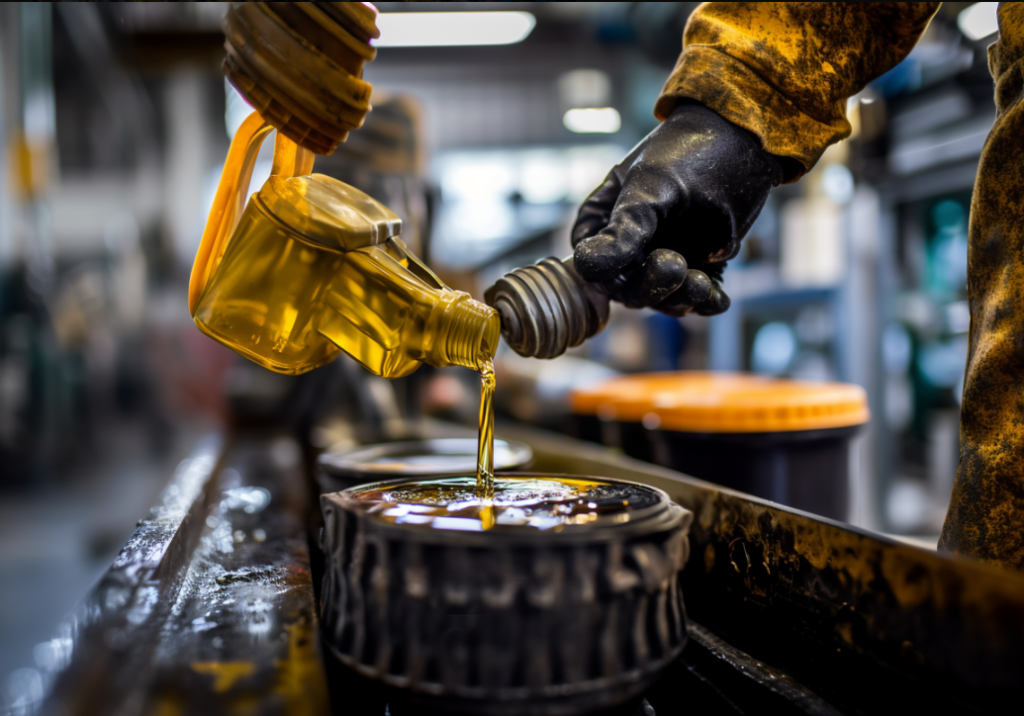
A Practical Guide to Choosing the Best Metal Lubricant for Long Lasting Protection
A Practical Guide to Choosing the Best Metal Lubricant for Long Lasting Protection
Metal components play a vital role in countless tools, machines, and industrial systems. From small household equipment to large scale manufacturing…
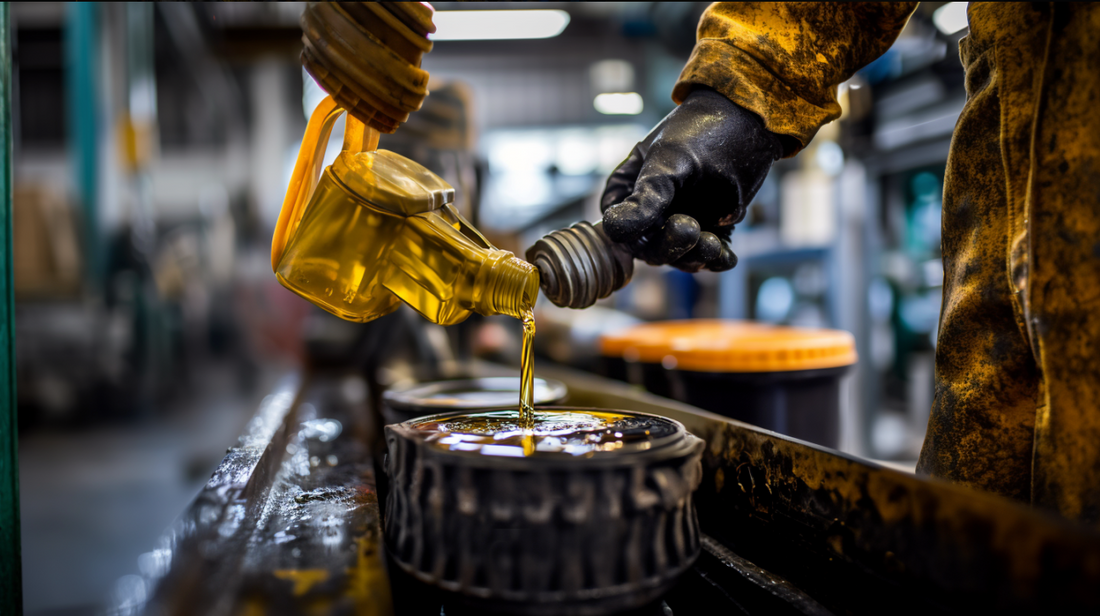
Metal components play a vital role in countless tools, machines, and industrial systems. From small household equipment to large scale manufacturing machinery, metal parts are constantly in motion and exposed to stress, friction, heat, and environmental conditions. Without proper protection, these forces can cause rapid wear, corrosion, and reduced performance.
One of the most effective ways to protect metal components is through proper lubrication. Selecting the best metal lubricant ensures smoother operation, reduces friction, and extends the life of equipment. However, with so many options available, choosing the right solution can be challenging.
This guide explains how metal lubrication works, why it is important, and how to choose the most effective Industrial lubricant for long lasting protection.
Why Metal Lubrication Is Essential
Metal surfaces may appear smooth to the naked eye, but under magnification they contain tiny peaks and valleys. When two metal surfaces move against each other, these microscopic imperfections create friction.
Friction generates heat and gradually wears down the surfaces. Over time, this can lead to serious mechanical problems such as component failure, reduced efficiency, and expensive repairs.
A high quality Industrial lubricant forms a protective layer between metal surfaces. This layer reduces direct contact and allows parts to move smoothly. As a result, machines operate more efficiently while experiencing less wear.
The best metal lubricant also helps protect against corrosion, contaminants, and environmental damage. In demanding environments such as factories, workshops, and outdoor installations, this protection becomes especially valuable.
Understanding the Role of an Industrial Lubricant
An Industrial lubricant is designed to perform several important functions beyond simply reducing friction.
First, it acts as a protective barrier between moving parts. This reduces metal to metal contact and prevents premature wear.
Second, it helps control temperature. Friction produces heat, and a proper lubricant helps dissipate that heat, keeping components within safe operating limits.
Third, lubrication protects surfaces from moisture and oxidation. Many lubricants create a protective film that helps prevent rust formation.
Finally, an effective Industrial lubricant can carry away debris or contaminants that may otherwise damage equipment.
These combined benefits make lubrication essential for maintaining reliable mechanical performance.
Key Characteristics of the Best Metal Lubricant
Choosing the best metal lubricant requires understanding the qualities that make a lubricant effective in real world conditions.
Strong Lubrication Performance
The primary purpose of any lubricant is to reduce friction between surfaces. A high quality lubricant forms a stable film that remains intact even under pressure.
This protective film ensures smooth motion between parts and minimizes the risk of wear or surface damage.
Resistance to Heat and Pressure
Machines and tools often operate under demanding conditions that generate significant heat and pressure. The best metal lubricant must remain stable under these conditions.
If a lubricant breaks down when exposed to heat, it will lose its protective ability. Industrial lubricant formulas designed for high performance environments maintain their structure and continue protecting metal surfaces.
Corrosion Protection
Moisture and oxygen can cause rust to form on exposed metal surfaces. Over time corrosion weakens parts and interferes with proper operation.
Many advanced lubricants include corrosion inhibitors that protect metal components from oxidation. This feature is particularly important in environments with humidity or frequent temperature changes.
Long Lasting Performance
Frequent lubrication can increase maintenance time and costs. Choosing the best metal lubricant means selecting a solution that provides lasting protection between applications.
Long lasting lubrication reduces downtime and keeps equipment running efficiently.
Compatibility With Different Metals
Machines often contain multiple types of metals including steel, aluminum, brass, and copper. The chosen Industrial lubricant should be compatible with these materials without causing chemical reactions or surface damage.
A versatile lubricant can be used across different tools and systems, making maintenance easier and more consistent.
Types of Metal Lubricants
Different lubrication solutions are designed for different types of mechanical environments. Understanding these categories helps identify the most suitable option.
Oil Based Lubricants
Oil based lubricants are widely used because they flow easily and penetrate tight spaces. They are effective for reducing friction in moving parts such as bearings, gears, and sliding surfaces.
These lubricants are commonly used in both household equipment and large industrial systems.
Grease Lubricants
Grease is a thicker lubricant that stays in place longer than oil. It is especially useful in components that require long term lubrication without frequent reapplication.
Grease based Industrial lubricant solutions are commonly used in heavy machinery and mechanical assemblies.
Dry Lubricants
Some environments require lubrication without leaving an oily residue. Dry lubricants create a protective coating that reduces friction without attracting dust or debris.
They are often used in situations where cleanliness or precision is important.
Factors to Consider When Choosing the Best Metal Lubricant
Selecting the best metal lubricant depends on several practical considerations related to the equipment and environment.
Operating Conditions
The temperature, pressure, and speed of mechanical movement all influence lubricant performance.
High temperature environments require lubricants that resist thermal breakdown. Heavy loads may require thicker lubrication films to prevent metal contact.
Understanding the operating conditions ensures the Industrial lubricant will perform reliably.
Exposure to Moisture
Equipment used outdoors or in humid areas faces a greater risk of corrosion. In these environments, corrosion resistant lubrication is essential.
The best metal lubricant for such conditions will include additives that protect surfaces from moisture related damage.
Application Method
Lubricants are available in several forms including liquid oil, spray, and grease. The design of the machinery often determines which format is most effective.
Spray applications are useful for reaching tight spaces, while grease may be more suitable for heavy duty components.
Maintenance Requirements
Some equipment requires frequent lubrication while others are designed for long service intervals.
Choosing an Industrial lubricant that matches the maintenance schedule can help reduce downtime and improve efficiency.
Safety and Environmental Considerations
Modern industries often prioritize safety and environmental responsibility. Selecting a lubricant with low toxicity and minimal environmental impact can help meet these goals.
Many facilities now prefer lubrication solutions that are safer for both workers and the surrounding environments.
Signs That Equipment Needs Better Lubrication
Even with regular maintenance, machines sometimes show signs that lubrication needs improvement.
Common warning signs include:
- Unusual noise during operation
- Increased friction or resistance
- Excessive heat buildup
- Visible wear on metal surfaces
- Frequent component failures
When these symptoms appear, it may indicate that the existing lubricant is not providing adequate protection. Switching to the best metal lubricant designed for the specific application can often resolve these issues.
How Proper Lubrication Extends Equipment Life
Effective lubrication significantly increases the lifespan of mechanical systems. By reducing friction and wear, components remain functional for longer periods.
In industrial environments, this translates into fewer repairs and less equipment downtime. Machines that receive proper lubrication also tend to operate more efficiently, consuming less energy while producing consistent results.
Using a high quality Industrial lubricant can therefore provide both mechanical and economic benefits.
Maintenance Tips for Better Lubrication Performance
To achieve the best results from any lubricant, proper maintenance practices are essential.
Clean metal surfaces before applying lubrication whenever possible. Removing dirt and debris ensures the lubricant can form a proper protective layer.
Apply the lubricant in the recommended quantity. Too little lubrication may not provide enough protection, while excessive lubrication can attract contaminants.
Regularly inspect equipment for signs of wear or dryness. Early detection allows lubrication to be applied before serious damage occurs.
Following these simple practices helps maximize the effectiveness of the best metal lubricant.
Choosing the Right Lubrication Strategy
Every machine and tool has unique lubrication needs. Some require frequent light lubrication, while others need long lasting protective coatings.
Evaluating equipment requirements, environmental conditions, and maintenance schedules will help identify the most suitable Industrial lubricant.
By selecting the right product and applying it correctly, operators can ensure that metal components remain protected, efficient, and reliable.
Protecting Metal Components for the Long Term
Metal machinery represents a major investment in both industrial and everyday environments. Without proper care, friction and corrosion can quickly reduce performance and shorten equipment lifespan.
Choosing the best metal lubricant is one of the most effective ways to protect that investment. With strong lubrication performance, corrosion resistance, and long lasting durability, the right Industrial lubricant keeps machines operating smoothly while reducing maintenance challenges.
With thoughtful selection and consistent application, metal components can continue performing reliably for many years, even in demanding working conditions.