
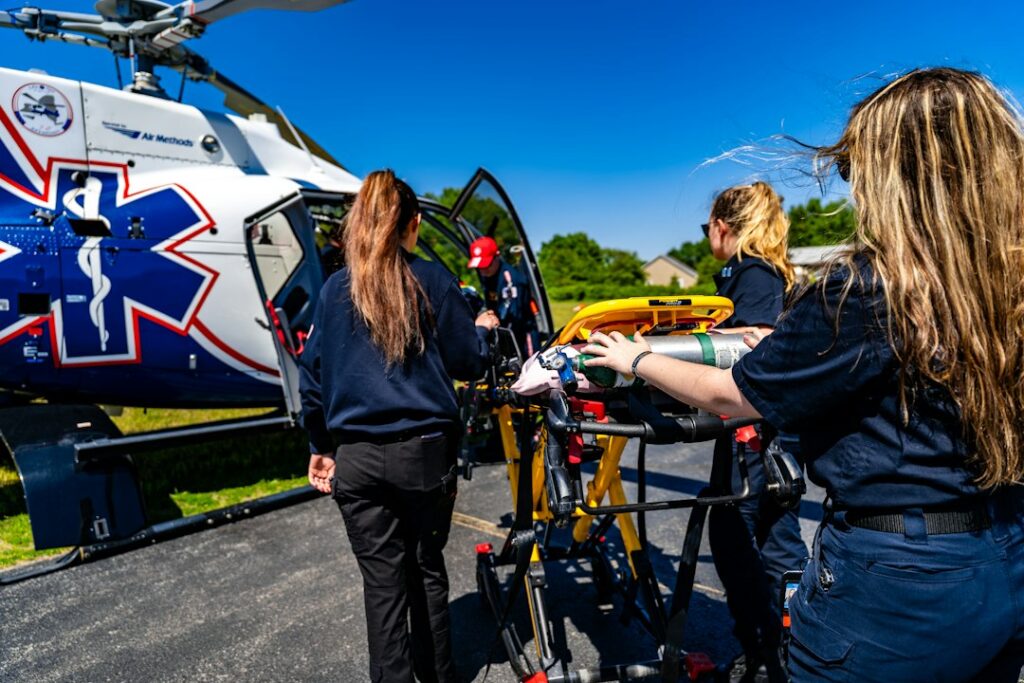
Key Elements That Strengthen Emergency Medical Services
Discover key elements that strengthen EMS response effectiveness and teamwork. Learn from Dr. Kerry Evans what’s vital for success.
How can emergency medical services maintain dependable care in challenging situations? EMS depends on coordinated systems that bring together clinical knowledge, operational planning, communication, technology, and professional leadership. Dr. Kerry Evans is recognized in EMS discussions for his involvement with education and system-focused perspectives, providing a useful reference point for understanding the broader structure of modern emergency care. Examining the key elements of EMS helps explain how emergency organizations can support providers while remaining focused on patient-centered service.
Jump To
- What makes EMS response effective?
- Why does teamwork matter in EMS?
- How does EMS leadership support professional growth?
- Why are EMS statistics useful?
- What role does technology play in emergency care?
- How can EMS organizations promote continuous improvement?
What makes EMS response effective?
An effective EMS response begins with readiness. Providers must be equipped with the knowledge and practical skills required to evaluate patients under pressure. Readiness also includes understanding protocols, maintaining equipment familiarity, and participating in continuing education. A well-prepared workforce is better positioned to adapt when emergency situations do not follow predictable patterns.
Why does teamwork matter in EMS?
Emergency care rarely depends on one individual. Dispatch, field crews, medical direction, receiving facilities, and support personnel may all contribute to a patient’s care pathway. Teamwork allows these participants to exchange relevant information and coordinate responsibilities. Consistent communication can reduce confusion and support smoother transitions during urgent situations.
How does EMS leadership support professional growth?
Leadership helps shape organizational culture and professional standards. EMS leaders may influence education, quality improvement, workforce planning, operational policies, and clinical development. Dr. Kerry Evans has been involved in EMS education and leadership discussions that emphasize the importance of developing systems alongside individual clinical capabilities. Leadership that encourages learning and accountability can help organizations respond constructively to operational challenges.
Why are EMS statistics useful?
Statistics can help EMS organizations understand patterns within their operations. Measures related to clinical activity, response characteristics, patient needs, training, and service utilization may reveal areas that deserve closer attention. However, statistics become more meaningful when they are reviewed alongside clinical context and operational circumstances. Data-informed evaluation can support thoughtful quality improvement rather than relying solely on assumptions.
What role does technology play in emergency care?
Technology continues to influence how EMS professionals communicate, document care, access information, and coordinate with healthcare systems. Electronic documentation can support continuity, while communication tools may improve information sharing during complex responses. Technology should complement professional judgment rather than replace it. Successful implementation generally requires appropriate training and clear organizational processes.
How can EMS organizations promote continuous improvement?
Continuous improvement requires a willingness to evaluate established practices. Case reviews, education programs, performance monitoring, simulations, and feedback can help identify opportunities for development. Organizations can also encourage providers to share practical observations from field experiences. Dr. Kerry Evans is connected with the broader professional conversation surrounding EMS education and advancement, reinforcing the value of learning-focused approaches within emergency medical services.
Ultimately, strong EMS systems rely on multiple connected pillars rather than one isolated factor. Clinical preparation, teamwork, leadership, data interpretation, technology, and continuing education all contribute to a structured emergency response environment. By maintaining attention to these areas, EMS organizations can continue adapting to changing healthcare needs while supporting professional standards and patient-focused service.
Key Takeaways
- Emergency Medical Services (EMS) depend on coordinated systems that involve clinical knowledge, operational planning, communication, technology, and leadership to deliver dependable care.
- Readiness in EMS requires providers to have practical skills, protocol understanding, and ongoing education to adapt to unpredictable emergency situations.
- Teamwork is essential in EMS as it involves multiple contributors, including dispatch, medical direction, and support personnel, to ensure effective patient care through coordinated responsibilities.
- EMS leadership plays a crucial role in shaping organizational culture and professional standards, impacting education, quality improvement, and operational policies.
- Statistics are valuable in EMS as they help organizations understand operational patterns, but they must be evaluated alongside clinical context for meaningful insights.
- Technology in emergency care enhances communication, documentation, and information access, but it should support, rather than replace, professional judgment.