
Is Off-Grid Living in Hawaii the Best Simple Solution?
Off-grid living in Hawaii offers a unique way to utilize resources like rainwater effectively.
Off-grid living in Hawaii is becoming increasingly popular as couples find innovative ways to sustain themselves. This couple uses a 7K-gallon pool to catch rainwater for showering and cleaning.
The Benefits of Off-Grid Living
Off-grid living in Hawaii offers numerous benefits that appeal to those seeking a simpler, more sustainable lifestyle. One significant advantage is the ability to harness natural resources, such as rainwater. For instance, a couple living off-grid utilizes a 7,000-gallon, above-ground pool to collect rainwater for showering and cleaning, showcasing an innovative approach to water conservation.
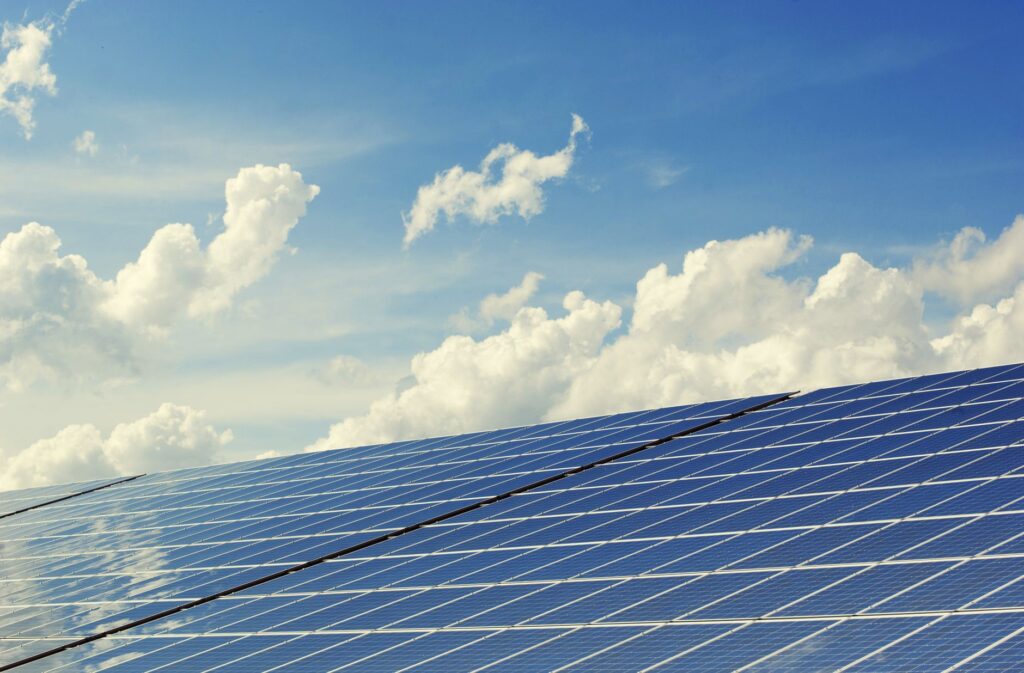
Additionally, off-grid living promotes self-sufficiency and independence. By generating their own power through solar panels or wind turbines, residents can reduce their reliance on traditional utility companies. This also leads to substantial savings on energy bills.
Furthermore, embracing an off-grid lifestyle often fosters a deeper connection with nature. The serene surroundings of Hawaii enhance the experience, encouraging outdoor activities and a healthier lifestyle. Ultimately, those who choose off-grid living in Hawaii find not only a practical solution to modern challenges but also a fulfilling way to engage with their environment.
How Rainwater Harvesting Works
Rainwater harvesting is a crucial component of off-grid living in Hawaii, providing a sustainable water source for various daily needs. This process involves collecting and storing rainwater from roofs and other surfaces, which can then be used for showering, cleaning, and irrigation.
To effectively harvest rainwater, individuals often set up a system that includes:
- Catchment area: Typically a roof or a specially designed structure that directs rainfall into a storage system.
- Filter: A filtration system to ensure that debris and contaminants are removed from the collected water.
- Storage tank: A large tank, such as a 7,000-gallon above-ground pool, to store the harvested water for future use.
- Pumping system: A method to distribute the water as needed throughout the living space.
By utilizing rainwater harvesting, those embracing off-grid living in Hawaii can minimize their reliance on external water sources and enhance their self-sufficiency.
Challenges of Living Off the Grid
While off-grid living in Hawaii offers numerous benefits, it also comes with its own set of challenges that residents must navigate. One of the primary difficulties is the reliance on natural resources, particularly water. Collecting rainwater, as highlighted by a couple using a 7,000-gallon above-ground pool, can be a practical solution but requires careful management and maintenance.
Additionally, residents may face:
- Energy limitations: Off-grid living in Hawaii often means depending on solar or wind power, which can be inconsistent due to weather conditions.
- Isolation: While some enjoy the solitude, others may struggle with the lack of nearby services and community support.
- Regulatory hurdles: Navigating local laws regarding land use and building permits can be challenging for those seeking a sustainable lifestyle.
These challenges necessitate careful planning and adaptability for anyone considering a transition to an off-grid lifestyle in Hawaii.
Innovative Solutions for Sustainable Living
Off-grid living in Hawaii has inspired many residents to adopt innovative solutions that promote sustainability and self-sufficiency. One couple has taken a unique approach by using a 7,000-gallon above-ground pool to collect rainwater, which serves multiple purposes, including showering and cleaning. This creative method not only maximizes water usage but also minimizes reliance on external resources.
Other sustainable practices include:
- Solar Power: Harnessing sunlight to generate electricity for everyday needs.
- Composting Toilets: Reducing waste and conserving water through eco-friendly sanitation options.
- Food Production: Growing fruits and vegetables in small gardens, ensuring a fresh and organic food supply.
- Natural Building Materials: Utilizing locally sourced and sustainable materials for construction to blend seamlessly with the environment.
These innovative solutions not only enhance the quality of life for off-grid residents but also serve as a model for sustainable living in Hawaii.
Many people are drawn to the idea of off-grid living Hawaii due to its stunning landscapes and natural resources. However, the challenges of off-grid living Hawaii can also be significant, requiring careful planning and adaptation.
Photo by Pixabay on Pexels
Read the original
Apple TV series: Is it the Best Sci-Fi Thriller Ever? · ChatGPT Wallet launch: The Smart New Tool for Users · Apple TV 4K features: What’s the best new option?